

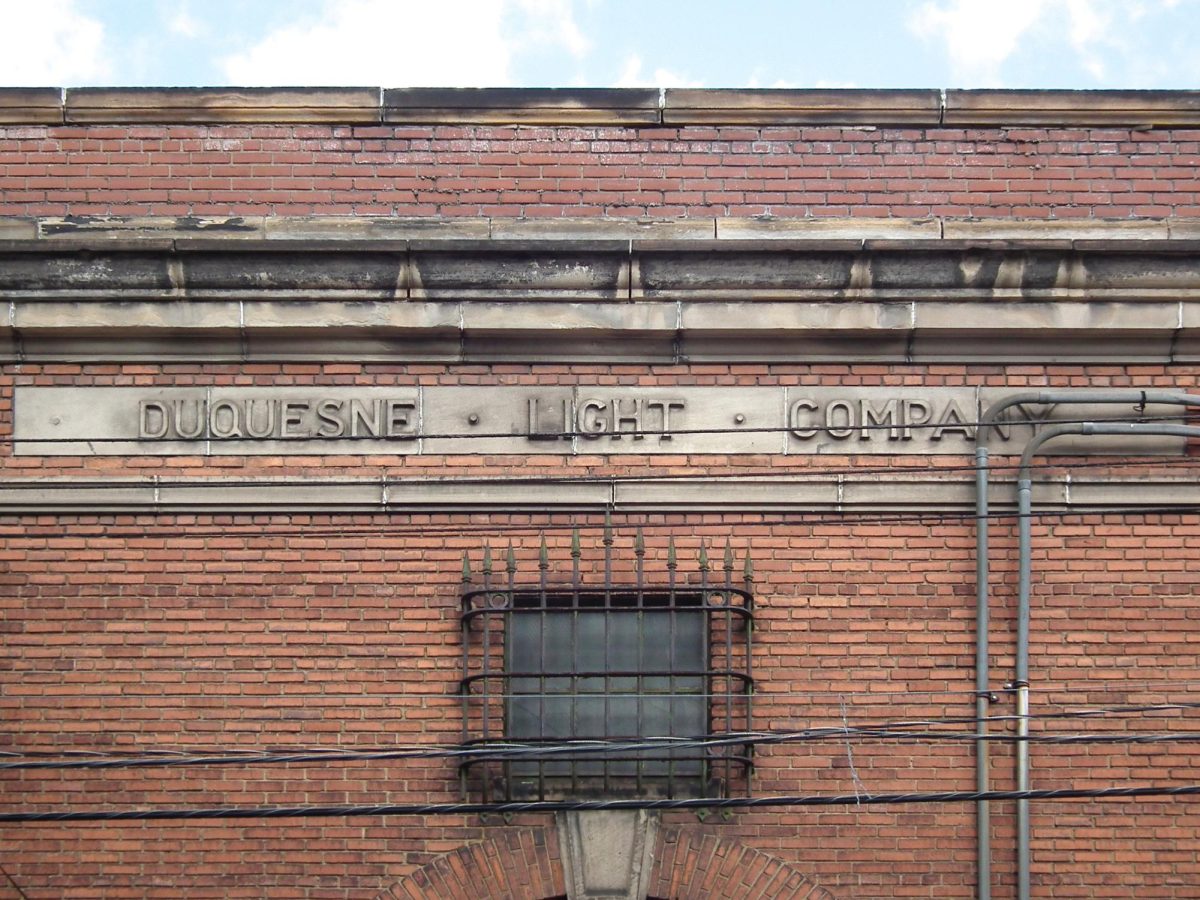
An electricity rate increase went into effect for residents across Pittsburgh on Dec. 4.
In early December, the Pennsylvania Public Utility Commission announced it would adjust energy supply prices for all PUC-regulated electric utilities. Duquesne Light, Pittsburgh’s primary electricity provider, increased its rate by 10.6%, and West Penn Power’s rate increased by 6.1%.
The PUC has rate adjustments twice a year to reflect increased seasonal electricity use. The electricity rate is also impacted by factors like growing energy consumption, the increasing price of natural gas and the rise of data centers.
The rate increases in December are not the highest that the rate has increased in the past three years, for Duquesne Light. According to Duquesne Light spokesperson Ashley Macik, Duquesne Light profits from the distribution of electricity, not the supply portion of a customer’s bill.
“Generation (supply) charges are based on wholesale energy market prices and passed through directly to customers,” Macik said in an email.
Macik also highlighted the programs and services offered by Duquesne Light for customers who need help paying their electricity bills. This includes Duquesne Light’s year-round Customer Assistance Program, the seasonal Dollar Energy Fund and the Low-Income Home Energy Assistance Program. There is also an income‑eligible program guide available for customers to explore need-based program options
“We understand that rising energy prices are challenging for many customers, including students. Duquesne Light offers various programs for anyone who may need help paying their electric bill,” Macik said.
While these rate changes are not out of the ordinary, some students are already struggling with preexisting affordability issues like rising housing costs and grocery prices.
Claire Meachen, a senior majoring in mathematical biology, German and economics, has long struggled with high energy bills, despite efforts to minimize them.
“There’s plastic over our windows. We have the blackout curtains with the lamination on the side to try and keep the cold out and heat in,” Meachen said. “Additionally, because we’re so cold, we have personal heaters that we like to turn on.”
Meachen believes these measures are not effective, and she consistently finds herself sacrificing her comfort.
“These strategies don’t seem to be doing anything. We implemented them first last November, and our bill was about $50 cheaper, but it was also warmer during that time period,” Meachen said.
Nicholas Wolff, a junior business information systems major, said the increases in costs aren’t disproportionately large, and he is aware of how to manage it.
“I generally feel prepared for the potential increase in costs. I keep all unnecessary lights off, especially when not home. No automatic lights on,” Wolff said.
Aurora Sharrard, assistant vice chancellor for sustainability, recommended strategies to reduce winter energy use.
“Review your thermostat settings. Your default temperature should not be above 68 degrees, and you’ll still be warm enough in many homes at a lower temperature, especially if you’re wearing layers,” Sharrad said in an email. “If you don’t have a programmable thermostat, try to remember to manually make that change to save money and energy.”
In addition to regulating thermostat settings, Sharrad encourages sealing air leaks around windows and doors.
“Often simple solutions like door weather stripping, window caulking and wall patching can help keep cold air out,” Sharrad said.
Sharrad said students should check to see that heating systems are properly maintained by ensuring regular maintenance has been performed on furnaces, boilers and heat pumps. Sharrad also encourages students to ensure that energy audits are completed.
“Small investments by the property owner can save you, your roommates and future renters money in the future, while reducing energy use and combating climate change,” Sharrad said
Sharrad also emphasized energy-saving programs and resources available to students at Pitt, including the Low Income Home Energy Assistance program, Duquesne Light’s energy calculators, which can be used to estimate what items are using the most electricity, the U.S. Department of Energy’s Energy Saver resources and Pitt Sustainability’s energy-efficient tips in its Green Guide for off-campus living.
Jennifer Villanueva, a junior Spanish major, believes students should be made more aware of the resources available at Pitt for managing rising electricity costs.
“I think being aware of these services would be very beneficial. The University should provide more guidance about managing utility costs for off-campus students,” Villanueva said.