

The end is almost near. After countless late nights, many assignments, tears shed and emotions both high and low, the spring 2026 semester is about to come to an end. While we still have to get over that “final” hill, the semester is almost over. This period gives us a moment to reflect on the successes and hardships we had, but we also begin to stress about the final grades we will receive.
I am more than guilty of constantly complaining to my friends regarding class situations or professors who managed to make my life hell. We have all been there — ranting about a professor who could not teach, grade fast enough and seemingly lacked any desire to do more than read off a slide.
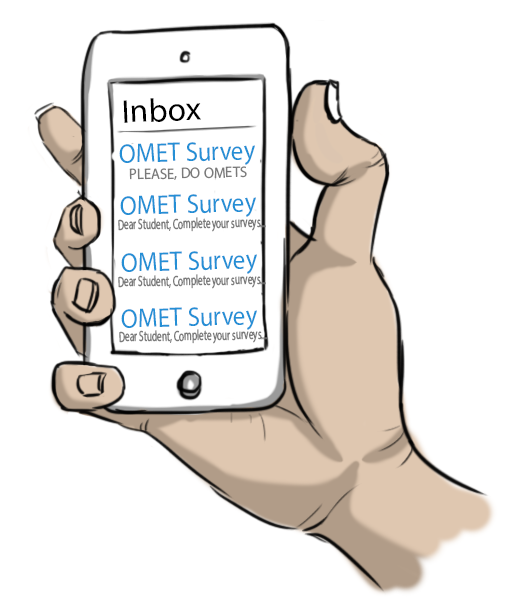
With grades almost final and classes about to end, the famous OMET surveys are now available. Every year, the link appears in our email and Canvas page to give much-needed feedback to professors and the University. I will not touch on the aftermath of these surveys and where the comments even go, but the bigger question is if this is a quality way to improve classes and professors.
As class registration begins, many students flock to Rate My Professors to get unvetted advice on what to expect out of the 8 a.m. biology lecture or nighttime astronomy class. This is a great resource for students to get an accurate assessment of a professor’s teaching styles and class structure.
OMET surveys ask you to look at the positives and negatives of both the professor and the class as a whole. Some professors require the survey in the class, make it a bonus or just ignore it altogether — this is where the true issue lies. People are inherently more likely to leave a negative review compared to a positive one after having a bad experience at a restaurant, an unpleasant time at a new nail salon or, in this case, a bad grade. Maybe it’s just me, but I’ll always remember the professors who made me question my abilities and my place in my academic journey.
While the OMET surveys are anonymous, it does not allow students to truly express individual circumstances that occurred specifically in smaller classes where there is a more personal connection. Also, many students leave general comments or rush through them to get the bonus point.
OMET surveys are a must for Pitt, as they help “improve teaching and learning,” according to an email sent to the Pitt community. But if that is true, then explain why teachers continue to have a poor reputation or receive negative reviews online or by word of mouth. It is a pretty awful feeling as a student to dedicate your time to giving detailed feedback and feeling it may just get lost in the shuffle. Often, when I complain to my advisor, there is just this sense of acceptance — classes and professors feel like they always remain the same. Pitt consistently adds new courses and electives but appears to lack concern when it comes to the necessary core classes students struggle with.
I could hypothesize for hours wondering what professors do with OMET surveys, but this column is addressing the true validity of them. As AI becomes an everyday tool, teaching needs to adapt quickly to keep pace with it. Students feel frustrated by the use of AI and a heavier reliance on it. Classes are becoming more difficult and tedious to attempt to combat the rise of AI. If your assignment can not be plugged into a chatbot, students assume it is just too difficult. Professors also struggle with understanding how to incorporate AI and where to draw the line. Students are changing the way they study, take in material and retain knowledge. AI has yet to be taught or really figured out by much of the student body and faculty, leading to a lot of upset. This upset and increased AI support needed by students to learn could be reflected in OMET surveys.
Regardless of your end grade, the possibility of getting to provide feedback for all of your classes is a true gift, regardless of where it goes. OMETs are a way to express concerns and upset like your diary. Treat them with respect.
At the end of the day, students just want to be heard. We all pay to go to these classes. We should at least be making an attempt to better the foundation success of future students by providing accurate feedback.
Sierra O’Neil is a junior marketing major who loves long walks, overpriced coffee and overanalyzing social media ads. A Pittsburgh native, she is always looking for different places to explore and companies to hire her as their new intern. Connect with Sierra by emailing her at [email protected].