

Change is a part of life. Change is good when it comes to taking on a new job opportunity, a different recipe for dinner or spicing it up on your morning coffee run. While change is great most of the time, when it’s just for the sake of staying relevant, it can shift the way people consume.
Some product changes have been amazing — noise-canceling headphones, Velcro sneakers, unsweetened matcha at Starbucks and extra crispy breading at KFC. Brands trying to stay relevant often rely on formula changes, packaging updates or new menu items — but these efforts frequently fail to generate the response they expect.
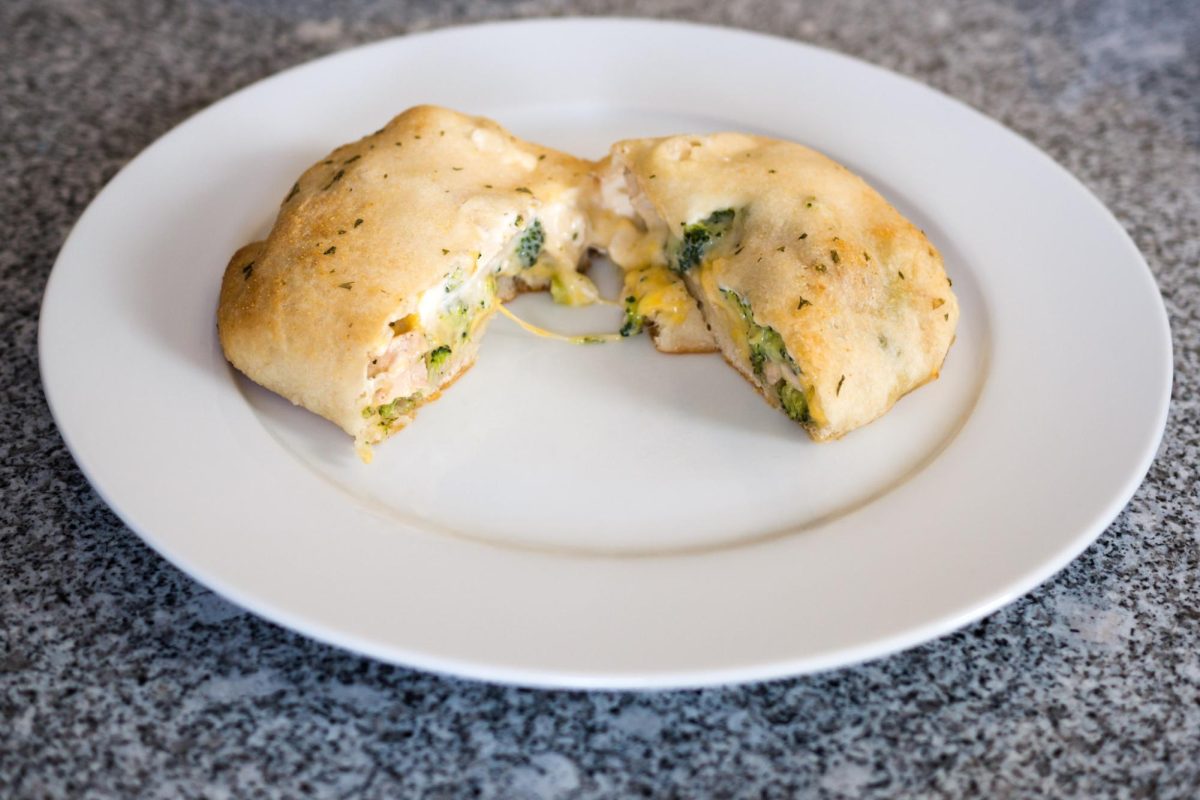
Call me a conformist or someone stuck in the past, but I can name numerous changes or innovations that added nothing to the product. Let me begin passionately with the recent change to the Hot Pockets. That brand should now no longer be allowed to even label themselves a pocket. In June 2024, Hot Pockets silently stopped packaging my favorite lunchtime ham and cheese treat with a sleeve. They claimed it would reduce waste — a valid point — and make it easier for you to enjoy your first bite. All I hear is a bunch of marketing excuses to allow a massive company to cut costs. I am no critically acclaimed food reviewer or sophisticated chef, but that silver sleeve made a difference. Now, the once microwave-only directions — which are still available if you want a soggy pocket — also gives you the option to air fry for 10 minutes, which removes the convenience aspect of the sleeve. I was not the only Hot Pockets consumer left angry. If I continue my Hot Pockets speech, it would end with some very vivid language, some angry emails to Nestlé and throwing my air fryer — which is not the life-changing invention millennials say it is — out the window.
Next, I want to talk about the recent update to Starbucks and their product line as a whole. Starbucks made a recent update to their rewards program, adding different tiers, deals of the week and new ways to earn points. Many of their customers that did not frequently support the company are now hurt by this recent update.
While Starbucks attempted to market the program change as an upgrade with consumer-focused benefits like “Free Mod Monday,” more double star days and the chance to redeem your birthday reward for longer, all these additions are just a way for Starbucks to distract customers from their failing brand. Recently, the company closed nearly 200 stores and laid off over 900 workers in reaction to declining sales and customers flocking to other coffee shops. Starbucks has also recently faced scrutiny related to its union contract negotiations. The attempted rebrand and goal to simplify the menu may not be enough to save the company.
Users like myself, who have held gold card status since they were in high school but stopped purchasing from the company a few years ago due to price increases and other coffee options popping up near me, are disappointed to see the drastic change in the points program. The previous two stars earned per dollar is no longer a daily option. The additional benefits require you to spend hundreds of dollars in a year to reach. Nobody asked for this addition. Those in Starbucks’ new “reserve” status are die-hard coffee fans purchasing from them daily, which is not realistic for an average consumer. Starbucks’ attempt to be better actually ruined their once beloved point system.
To make matters worse, Starbucks recently changed their chai recipe to be more customizable. It did not receive the praise they expected. Bottles of the original recipe now sell for $30 to $40 on resale websites like eBay.
This is not the first or last time brands spontaneously made modifications to their brand or products. Consider New Coke, the biggest marketing and food rebrand fail in all history. Following the Pepsi Challenge — where a slight majority of consumers of the nearly 200,000 participants preferred Pepsi for its sweeter taste — Coke decided to ditch their secret recipe for something new. The reformulation led to chaos, but luckily, after only 80 days, the original formula was returned to markets.
Similarly, the beloved chain restaurant known for their extravagant gift shop, cluttered dining space and delicious Sunday breakfast also fell into the trap of making an unnecessary change to stay fresh and relevant. Cracker Barrel recently switched their classic logo of a man leaning on a barrel accompanied by their name in an old-timey cursive font to a similar font and color scheme without the icon next to it, sending the public into an uproar. After a quick test in over 600 markets, the Cracker Barrel brand quickly retracted the edit and went back to their oldtime, vintage ways that customers loved.
Both Coke and Cracker Barrel took their audiences seriously and realized that change for such a dedicated consumer base can nearly kill your brand. Starbucks and Hot Pockets should follow suit.
When it comes to rebranding or reimagining a particular product sometimes the intentions are pure, but it is rare consumers react positively to such drastic changes.
Sierra O’Neil is a junior marketing major who loves long walks, overpriced coffee and overanalyzing social media ads. A Pittsburgh native, she is always looking for different places to explore and companies to hire her as their new intern. Connect with Sierra by emailing her at [email protected].